 Dhaka, Bangladesh


 SANn Editorial Desk


Nepal's approval to import up to 350MW from India this winter, while still exporting 56MW from three hydropower plants, is easy to overlook as a technical notice. It is in fact a small example of how South Asia could manage its energy far better.
Nepal's hydropower surges in the monsoon and dwindles in the dry months. India's demand and generation follow different patterns. Trading across the border through the Indian Energy Exchange lets Nepal buy when it is short and sell when it has surplus, rather than building costly capacity that sits idle for half the year.
Bangladesh has its own stake. It already imports power from India and has been seeking access to Nepali hydropower through Indian transmission lines. With Rooppur now beginning to supply the grid and demand rising fast, a more connected regional market would give Dhaka more options and more resilience.
The obstacles are mostly political and regulatory: approvals that must be renewed, restrictions on peak-hour trading, and transmission lines that take years to build. Nepal's opposition has rightly urged its prime minister to put such issues at the centre of his coming visit to New Delhi.
A grid does not care about borders. If South Asia's governments can keep extending these arrangements, consumers across the region stand to benefit from cheaper, cleaner and more reliable electricity.
Background reporting: The Kathmandu Post · Source date: 2026-11-17.
This is an analysis by the SANn Asia editorial desk.
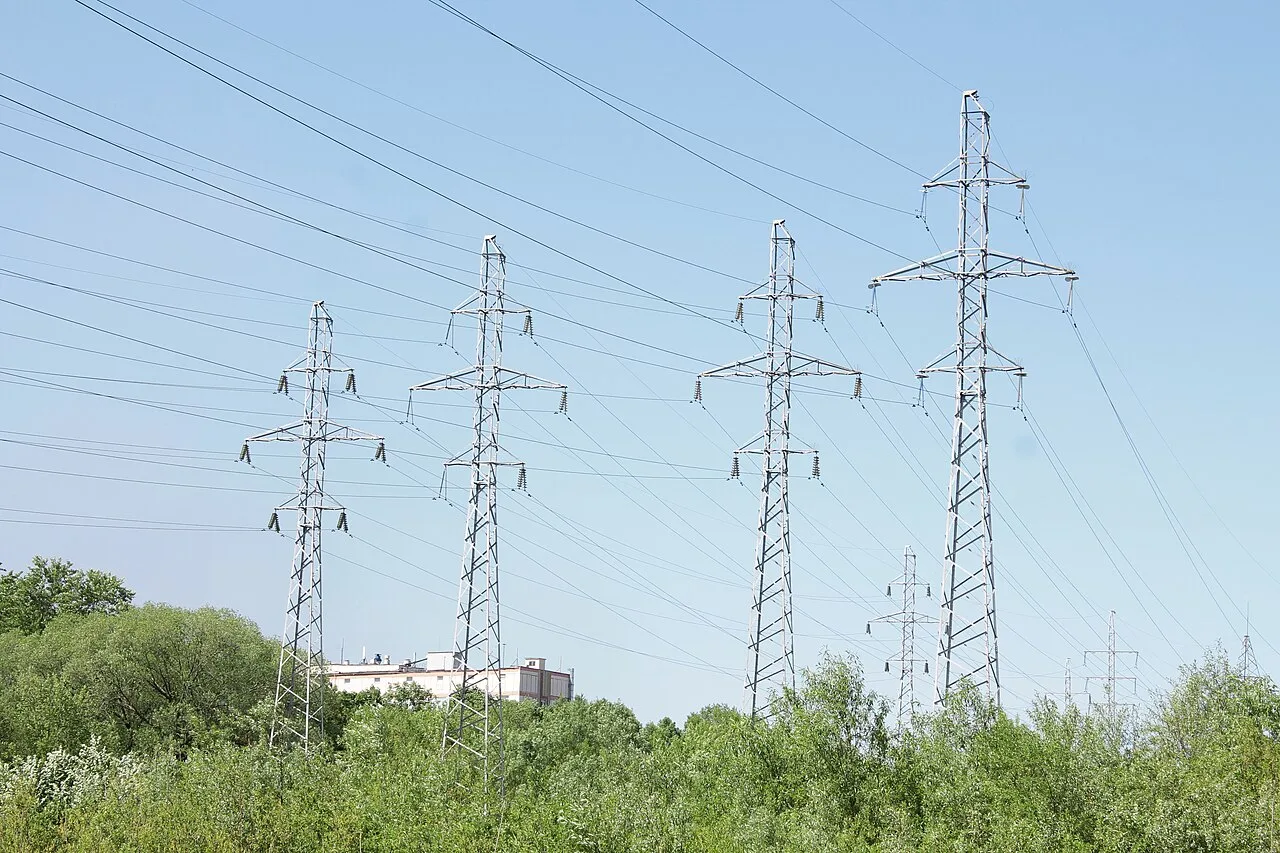
File photo: Electric transmission power tower.jpg — Foto3821. Wikimedia Commons original · CC0. Resized; cropped in cards. Representative image, not a photograph of the reported event.
