 Dhaka, Bangladesh


 SANn Editorial Desk


The postponement of Monday's Minimum Wage Board meeting may have been unavoidable, but its consequences were predictable. Within a day, police were firing tear gas at thousands of garment workers on the Dhaka–Mymensingh highway, vehicles were burning and about 500 factories were reported shut.
The gap between the two sides is wide. Workers' representatives have tabled Tk32,000 a month in the formal process, and protesters on the street are demanding Tk30,000, against a current minimum of Tk12,500. Owners, who were due to present their figure on Monday, have yet to do so publicly. Rising food, rent and transport costs explain why workers feel they cannot wait.
Labour leaders say part of the problem is trust. Many workers do not understand how the legal wage-setting process works, and factory-level unions are weak or inactive. When information is scarce, every delay looks like a stalling tactic.
The board's rescheduled meeting on 23 November is therefore critical. Owners should table a realistic offer, the government should publish a clear timetable for a final decision, and police should exercise restraint. Violence by any side only damages an industry that employs more than four million people and earns $38 billion a year.
Bangladesh's buyers, too, have a role. Brands that source from the country cannot praise its competitiveness while ignoring whether the people sewing their clothes can afford to live.
Background reporting: Al Jazeera / Prothom Alo · Source date: 2026-11-17.
This is an analysis by the SANn Asia editorial desk.
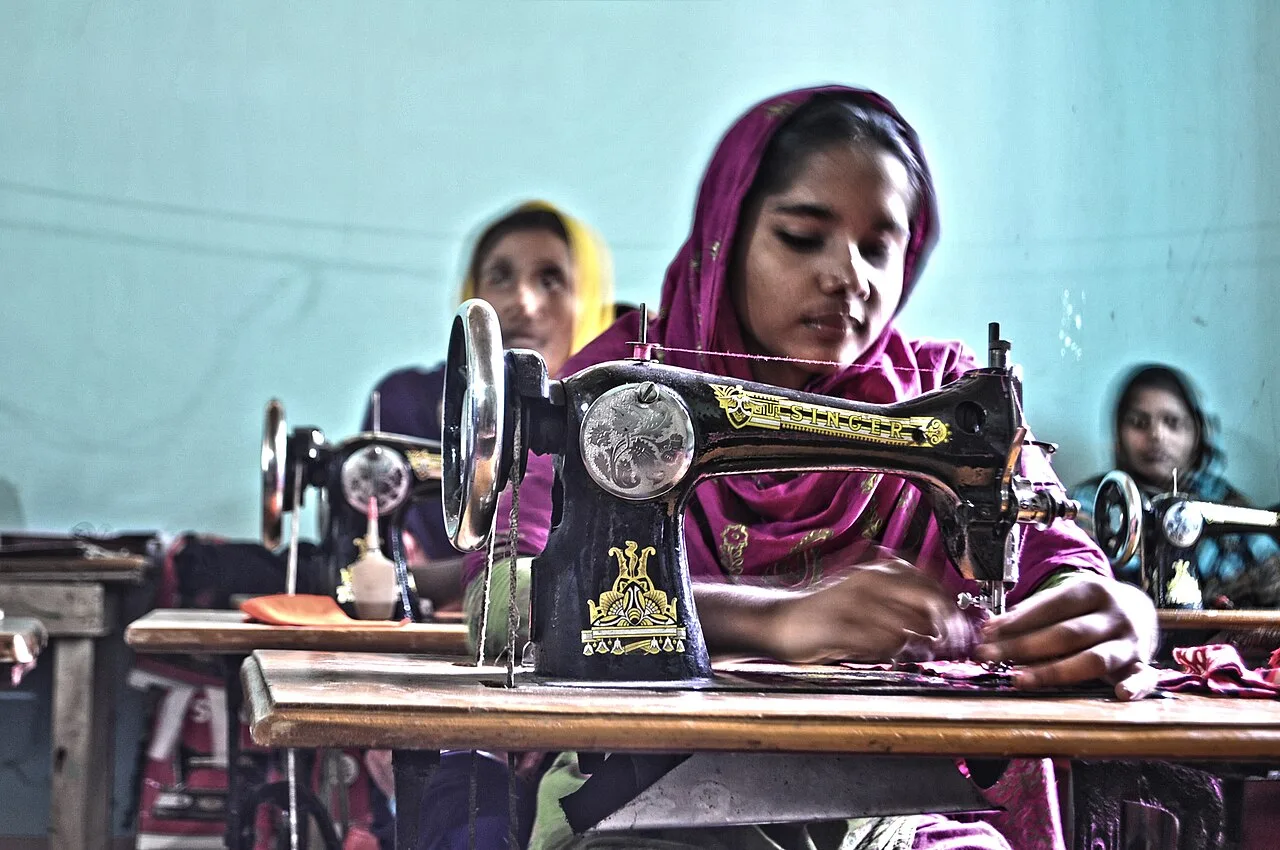
File photo: Bangladeshi women sewing clothes.jpg — USAID. Wikimedia Commons original · Public domain. Resized; cropped in cards. Representative image, not a photograph of the reported event.
